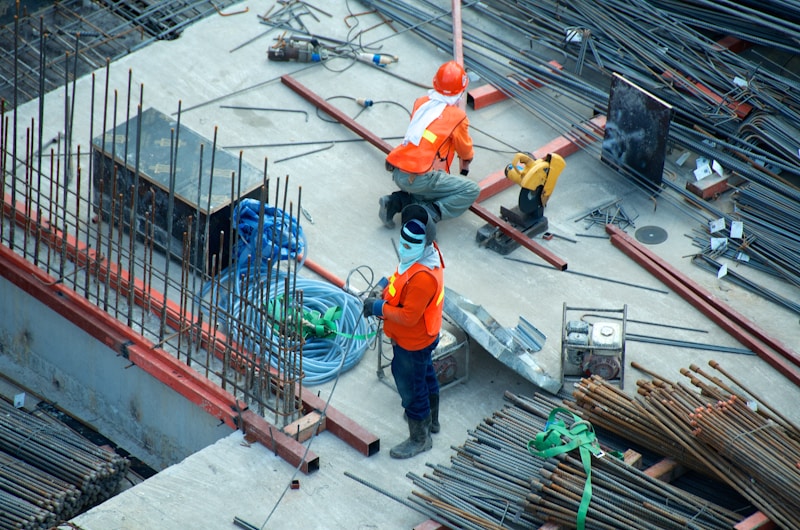
House extension under construction in Hertfordshire
Extensions11 min read24 April 2026

How Long Does a House Extension Take?

The honest answer depends on the type, size, and specification. Here is a realistic week-by-week breakdown for every stage — from planning to final snagging.

The most common question TCM receives after "how much will it cost?" is "how long will it take?" The two are connected — a longer programme means more weeks of disruption, more weeks of a builder on site, and more weeks before you can use the new space. Getting a realistic timeline before you commit to a project matters.

The figures below are based on TCM projects across Hertfordshire and North London. They reflect actual programmes, not optimistic estimates. Every project is different, but these ranges give you a working framework for planning.

Extension TypePre-ConstructionOn-Site BuildTotal (Typical)
Small single-storey (up to 4m x 4m)8–12 weeks10–12 weeks18–24 weeks
Standard single-storey (4m x 5m–6m)10–14 weeks12–16 weeks22–30 weeks
Large single-storey / wrap-around12–16 weeks16–20 weeks28–36 weeks
Double-storey extension14–18 weeks20–28 weeks34–46 weeks
Side return extension10–14 weeks12–16 weeks22–30 weeks

Pre-construction includes design, planning, and building regulations. On-site build is from groundworks to practical completion. Total includes both phases.

Phase 1: Design and Planning (Weeks 1–12)

The pre-construction period is where most of the timeline variation occurs. Projects within permitted development can move faster than those requiring a planning application. The sequence is consistent, but the duration of each step varies.

Weeks 1–2
Initial Survey and Design Brief
TCM surveys the property, confirms the structural feasibility, and agrees the design brief with the client. The architect or designer prepares initial concept drawings.
Weeks 2–4
Planning Drawings Prepared
The architect produces planning drawings showing existing and proposed layouts, elevations, and site plan. For permitted development projects, a Lawful Development Certificate application is prepared instead.
Weeks 4–6
Planning Application Submitted
The application is submitted to the local planning authority. Validation takes 1–2 weeks. The 8-week determination period begins from the validation date.
Weeks 6–14
Planning Determination Period
The planning authority consults neighbours and statutory consultees. For straightforward applications, a decision is issued at week 14 from the start of the process. Conservation area applications or those with objections can extend to week 18.
Weeks 10–14
Building Regulations Application
While planning is being determined, the structural engineer produces calculations and the architect prepares building regulations drawings. The full plans application is submitted to building control.

Phase 2: Pre-Start Preparation (Weeks 12–16)

Once planning is approved and building regulations drawings are in progress, the project moves into the pre-start phase. This is when long-lead items need to be ordered and the site programme is finalised.

Bifold and sliding door systems from premium manufacturers typically have 6–10 week lead times. Structural steel fabrication takes 3–5 weeks. Kitchen units from bespoke suppliers take 8–14 weeks. Ordering these items before the build starts — not when the opening is ready — prevents the most common cause of programme overruns.

TCM prepares a detailed programme at this stage showing every trade, every inspection, and every delivery date. The programme is shared with the client so they know exactly what is happening each week and when the key disruption points occur.

Phase 3: Groundworks and Foundations (Weeks 1–3 on site)

The build starts with groundworks — excavation, drainage, and foundations. For a standard single-storey extension on clay soil in Hertfordshire, strip foundations are typically 1.0–1.2 metres deep. On shrinkable clay near trees, the structural engineer may specify deeper trench fill foundations or piled foundations, which add 1–2 weeks to the groundworks phase.

The building control officer inspects the foundations before concrete is poured. This inspection is a hold point — work cannot proceed until the officer has signed off. TCM books inspections in advance to avoid waiting time, but the officer's availability can occasionally add 1–2 days to the programme.

Drainage connections are made at this stage. If the new extension requires a new soil stack or changes to the existing drainage layout, this work is completed before the slab is poured. Discovering an existing drain in an unexpected location — which happens on roughly one in five projects — adds 2–5 days while the drainage layout is revised.

Phase 4: Structure and Weathertight Shell (Weeks 3–8 on site)

Once the slab is cured (typically 3–5 days), the structural frame rises. For a brick-and-block cavity wall extension, the brickwork and blockwork progress together, with the cavity insulation installed as the walls rise. The structural steel — if a large open-plan span is required — is craned into position once the walls reach the correct height.

The roof structure follows the walls. A flat roof with a warm roof build-up takes 3–5 days to complete once the structural deck is in place. A pitched roof with tiles takes 5–8 days. Roof lanterns and rooflights are installed at this stage, as they are structural elements that need to be weathertight before internal work begins.

The extension is weathertight — roof on, windows and doors in — at the end of this phase. This is a significant milestone. From this point, the internal trades can work regardless of weather.

Phase 5: Opening Up and Structural Connection (Week 7–9 on site)

This is the most disruptive phase for the homeowner. The rear wall of the existing house is opened up to create the connection between the old and new spaces. Depending on the size of the opening, this involves installing a steel beam (RSJ or UC section) to carry the load of the wall above, removing the masonry below, and making good the opening.

The structural opening phase typically takes 3–5 days. During this time, the kitchen or rear reception room is inaccessible. TCM manages this by completing as much of the external shell and internal first-fix work as possible before opening up, so the connection phase is a single, planned disruption rather than an extended period of uncertainty.

Temporary propping is in place throughout this phase. The building control officer inspects the beam installation before the props are removed and the temporary works are struck.

Phase 6: First Fix and Services (Weeks 8–12 on site)

First fix covers all the services work that goes inside the walls and floors before plastering. Electrical first fix (consumer unit upgrades, cable runs, back boxes), plumbing first fix (pipework for underfloor heating, radiators, and any new bathroom connections), and any mechanical ventilation or air conditioning pipework are all completed at this stage.

Underfloor heating screed is poured after first fix. The screed needs 4–6 weeks to cure before floor finishes are laid, so the timing of this pour relative to the rest of the programme matters. Pouring it too late delays the final fit-out phase.

Phase 7: Plastering, Second Fix, and Fit-Out (Weeks 11–16 on site)

Plastering takes 3–5 days for a standard extension. The plaster needs 2–4 weeks to dry before decoration, which means this phase has a natural wait built in. TCM uses this drying period to complete external works — brickwork pointing, drainage connections, and any external paving or landscaping that is within scope.

Second fix follows drying: electrical sockets and switches, plumbing connections to sanitary ware and radiators, kitchen installation, and joinery. Floor finishes — tiles, engineered timber, or LVT — are laid once the screed is fully cured. Decoration is the final trade before snagging.

Phase 8: Snagging and Completion (Weeks 15–16 on site)

Snagging is the process of identifying and rectifying minor defects before the project is handed over. TCM conducts an internal snagging inspection before inviting the client to walk through the completed space. A typical snagging list for a single-storey extension contains 15–30 items — paint touch-ups, door adjustments, silicone sealing, and minor tile grout corrections.

The building control final inspection takes place at this stage. Once the officer is satisfied, the completion certificate is issued. This document is the legal proof that the work was inspected and complies with building regulations.

What Causes Delays — and How to Avoid Them

Most programme overruns on extension projects have the same root causes. Understanding them in advance allows you to build contingency into your planning.

Unforeseen ground conditions+2–4 weeks

Clay heave, unexpected drainage, or shallow foundations on the existing house requiring deeper new foundations. A pre-start trial pit reduces this risk.

Late delivery of bespoke items+1–4 weeks

Bifold doors, structural steel, kitchen units, and rooflights all have lead times. Order them before the build starts, not when the opening is ready.

Design changes mid-project+1–6 weeks

Every design change requires revised drawings, possible re-submission to building control, and re-programming of trades. Finalise the specification before work begins.

Structural discoveries during demolition+1–3 weeks

Discovering that an existing wall is structural when it was assumed not to be, or finding asbestos in a pre-1980 property, requires additional engineering and specialist removal.

Adverse weather during groundworks+1–2 weeks

Concrete cannot be poured in freezing conditions. Excavations in heavy rain can collapse. Winter starts carry more weather risk than spring or summer starts.

Frequently Asked Questions

How long does a single-storey rear extension take to build?+

A single-storey rear extension typically takes 10–16 weeks from breaking ground to completion, depending on size and specification. A straightforward 4m x 4m extension with standard finishes takes around 10–12 weeks on site. A larger extension with underfloor heating, bifold doors, and a structural steel frame takes 14–16 weeks. This does not include the pre-construction period for planning and building regulations, which adds 8–16 weeks before site work begins.

What causes house extension projects to run over time?+

The most common causes of programme overruns are: unforeseen ground conditions requiring additional foundation work (adds 2–4 weeks), late delivery of bespoke items like bifold doors or kitchen units (adds 1–3 weeks), design changes mid-project (adds 1–6 weeks depending on scope), structural issues discovered during demolition (adds 1–4 weeks), and adverse weather during groundworks and brickwork phases (adds 1–2 weeks). A detailed programme agreed before work starts, with lead times for long-delivery items confirmed, reduces the risk of all of these.

How long does planning permission take for a house extension?+

A householder planning application takes 8 weeks from validation to decision in Hertfordshire. Validation typically takes 1–2 weeks after submission. So the minimum planning timeline is 9–10 weeks. Applications in conservation areas, those attracting neighbour objections, or those requiring design revisions can take 13–16 weeks. Projects within permitted development rights do not need a planning application, but obtaining a Lawful Development Certificate takes 8 weeks and is recommended.

Can I live in my house during a rear extension build?+

Most homeowners remain in the property during a rear extension build. The main disruption period is when the rear wall is opened up to connect the extension to the existing house — typically a 3–5 day period during which the kitchen or rear reception room is inaccessible. TCM manages this by completing the external shell of the extension first, then opening up the connection in a single planned phase. Dust sheets, temporary boarding, and phased working minimise disruption to the rest of the house.

How long does a double-storey extension take?+

A double-storey extension typically takes 20–28 weeks on site, plus the pre-construction period. The additional time compared to a single-storey extension comes from the first-floor structural frame, masonry, and roof work, plus the additional internal fit-out of the upper floor rooms. Projects requiring a new staircase, en-suite bathrooms, and full redecoration of the existing first floor take towards the upper end of this range.

Related Guides

How Much Does a House Extension Cost in Hertfordshire? Single vs Double-Storey Extension: Which Is Right? Building Regulations vs Planning Permission House Extensions — TCM Building Services House Extension Planning Permission Guide

Ready to Plan Your Extension?

TCM Building provides a detailed programme for every project before work begins. Get a free quote and timeline assessment for your extension in Hertfordshire or North London.

Get a Free Quote